

Telehandler Hire: A Complete Guide to Renting a Telescopic Handler
Telehandler Hire: Complete Guide to Renting a Telescopic Handler
Deploying the correct lifting machinery dictates site tempo and directly influences project profitability. Project managers frequently encounter logistical bottlenecks when standard forklifts lack necessary vertical reach, while mobile cranes overrun spatial limits and budgets. Procuring assets through telehandler hire bridges this operational gap, delivering high-capacity lifting on rough terrain. Strategic equipment rental eliminates long-term maintenance liabilities, perfectly aligning heavy machinery costs with active project phases.
Introduction
Realizing mid-project that a standard forklift lacks the necessary reach while a mobile crane overruns spatial and financial limits halts construction progress instantly. Procuring a telehandler through flexible rental agreements resolves immediate lifting requirements without forcing the firm to absorb long-term depreciation, complex storage logistics, or idle asset costs post-project. The machine arrives when the heavy lifting begins and departs immediately upon phase completion.
Multi-specialist equipment providers like Alayan supply extensive telehandler fleets, ensuring site managers match exact boom lengths and load capacities to rapidly evolving site conditions. Transitioning from asset ownership to a rental model allows project coordinators to access specialized equipment seamlessly.
What Is a Telehandler and Why Would You Rent One?
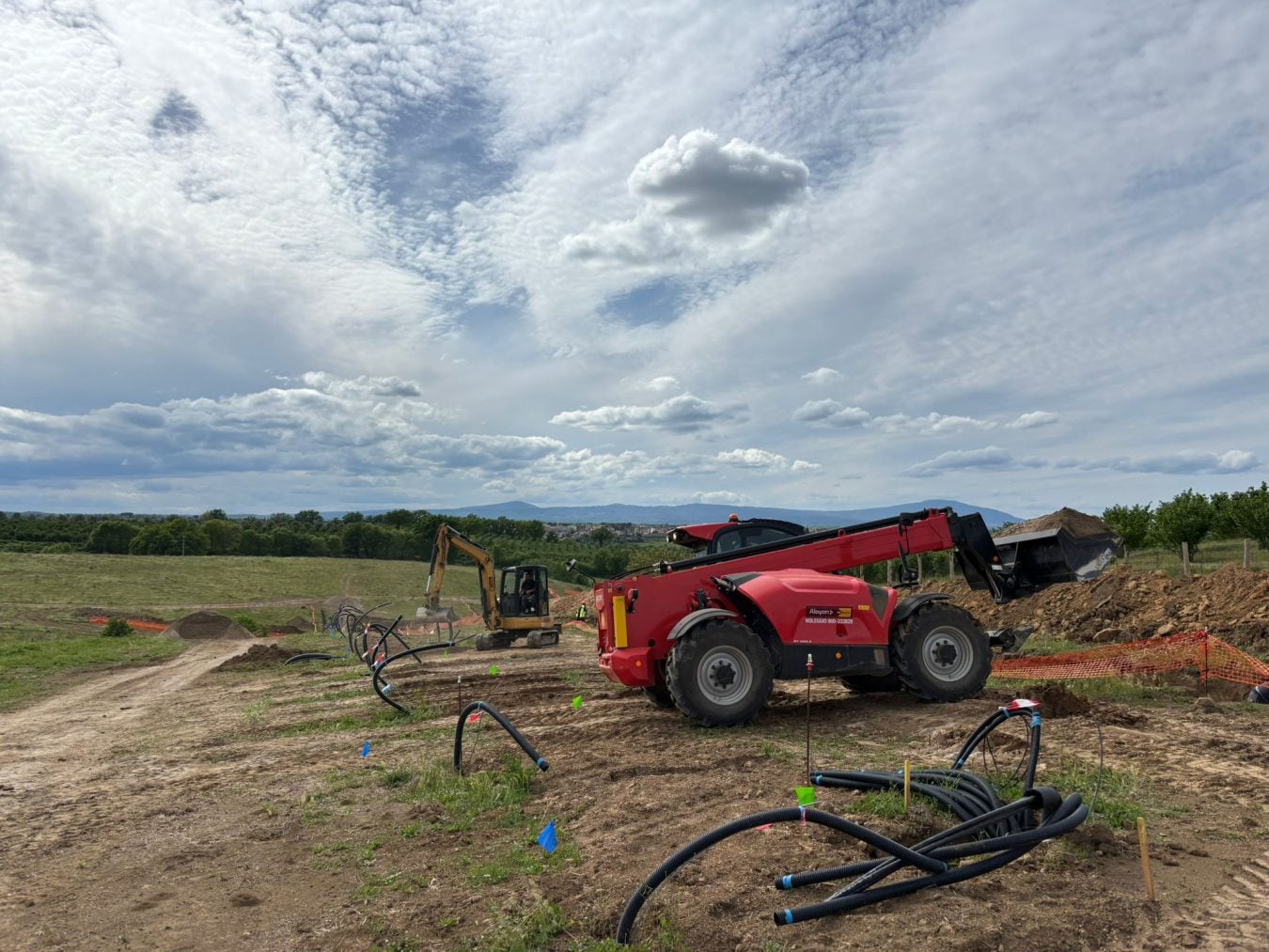
Telescopic handlers function as a highly versatile hybrid, combining the heavy load capacity of an industrial forklift with the forward and upward reach of a mobile crane. Engineered with four-wheel drive and heavy-duty chassis structures, these machines ensure continuous material flow across uneven, dynamic, and unpaved industrial environments.
Core operational applications include:
- Loading dense building materials directly onto scaffolding structures or upper architectural floors.
- Unloading heavy transport trucks and distributing palletized loads across unprepared ground.
- Placing structural roof trusses, heavy steel beams, or precast concrete elements with high precision.
- Extracting and transporting heavy debris during early-stage demolition operations.
- Managing heavy agricultural payloads, including bulk feed, large hay bales, and farming equipment.
Sourcing this machinery via telescopic handler hire grants immediate access to modern, well-maintained equipment calibrated precisely to current site specifications. Instead of operating within the rigid constraints of a single owned machine, logistics coordinators can swap models seamlessly as the build progresses. This flexibility allows a transition from compact units during ground-level foundation phases to high-reach variants for roofing operations, eliminating concerns regarding long-term maintenance cycles and asset transport logistics.
Telehandler vs Forklift – What’s the Difference?
A forklift is a counterbalanced industrial vehicle engineered strictly for vertical material handling on solid, level surfaces, whereas a telehandler is a rough-terrain machine utilizing a telescopic boom to execute high-altitude, forward-reaching placements.
Identifying the correct lifting machinery prevents operational delays and severe safety violations; forklifts excel strictly on level surfaces, whereas telehandlers dominate uneven terrain and high-altitude placements. Using the wrong asset for an outdoor site compromises load stability instantly.
Understanding the mechanical distinctions ensures correct deployment:
- Forklift mechanics: Engineered for vertical lifting directly upward and slightly forward. Performance is heavily restricted to flat, solid surfaces like concrete warehouse floors handling ground-level pallets.
- Telehandler dynamics: Utilizes a hydraulic telescopic boom to extend loads forward and upward, easily reaching over trenches, fences, or structural obstacles. Equipped with stabilizers and all-terrain drivetrains.
- Attachment capabilities: Telescopic handlers accept multiple operational attachments (buckets, crane hooks, winches, jibs and baskets), transforming a single machine into a multi-purpose site utility vehicle.
- Regulatory compliance: Operating a telehandler across Europe requires a distinct, specialized certification independent of standard forklift licensing due to the complex physics of dynamic load charts.
If a project requires lifting materials on an active construction site, over uneven ground, or placing loads above the second tier of scaffolding, operators must deploy a telehandler rather than a conventional forklift.
How to Choose the Right Telehandler for Your Job
Selecting the precise machine configuration requires cross-referencing maximum load limits and boom extension capabilities against the specific structural geometry of the project. Procuring an undersized machine creates safety hazards, while oversized units create navigational bottlenecks.
Evaluating the three primary technical specifications drives accurate procurement:
- Lift capacity: Dictates the absolute maximum manageable weight at optimal boom retraction. Standard industry classes range through 2.5t, 3.5t, 4.0t, and 9.0t.
- Reach height: Determines maximum vertical placement elevation. Common extension ranges include 6m, 9m, 13m, 17m, and 20m+ depending on structural requirements.
- Drive and chassis type: Encompasses standard 4WD variants for general terrain navigation and rotating telehandler hire solutions that allow 360-degree material placement from a single, stationary footprint.
Matching the specifications to field applications:
- Two-storey residential builds: Require a 6–9m reach paired with a 2.5–3.5t capacity to efficiently handle brick packs, timber, and roofing tiles.
- Commercial projects with mezzanine levels: Demand a 9–13m boom extension and 3.5–4.5t capacity for steel distribution and heavy pallet elevation.
- Infrastructure or heavy industrial sites: Necessitate 13m+ reach, high-capacity limits exceeding 3.5t, and frequently utilize rotating models to maximize coverage.
- Confined urban footprints: Dictate the deployment of a compact telehandler hire to navigate narrow access gates, tight turning radii, and highly restricted operational zones.
How to Prepare Your Site for a Telehandler Delivery?
Preparing the site infrastructure prior to equipment arrival guarantees immediate operational deployment and eliminates costly transport waiting times. Heavy machinery requires specific spatial and structural conditions to operate without damaging the site or risking catastrophic tipping events.
- Ground structural integrity: Assess the load-bearing capacity of the terrain. Telehandlers exert immense ground pressure, especially when stabilizers are fully deployed under a heavy load. Site engineers must map and avoid hidden voids, uncompacted soil, and deep trenches prior to operation.
- Spatial clearance: Calculate absolute operating dimensions against overhead obstacles, including high-voltage power lines, tree canopies, and architectural overhangs. Verify that entry gate widths and internal turning zones accommodate the machine’s maximum turning radius.
- Delivery logistics: Designate a hardened, highly accessible unloading zone. The heavy transport truck delivering the asset requires ample space to park, deploy heavy steel ramps, and unload safely without obstructing public roadways or primary supply access.
- Secure asset storage: Establish a flat, secure overnight parking zone entirely separated from active excavation areas and heavy traffic routes to protect the machinery during off-hours.
Proper site preparation directly impacts the daily project run rate. Establishing clear operational pathways and a designated, stabilized lifting zone ensures the on-site team initiates critical lifting tasks the exact moment the machine clears the delivery transport.
Telehandler Attachments – What Can You Add?
Equipping the hydraulic boom with specialized tools converts a single lifting unit into a multi-disciplinary asset, drastically reducing the requirement for supplementary machinery on site. A bare chassis handles pallets, but deploying specific attachments expands operational capacity entirely.
Essential telehandler attachments include:
- Pallet forks: The universal standard component, arriving with the machine to handle block packs, lumber, and palletized materials.
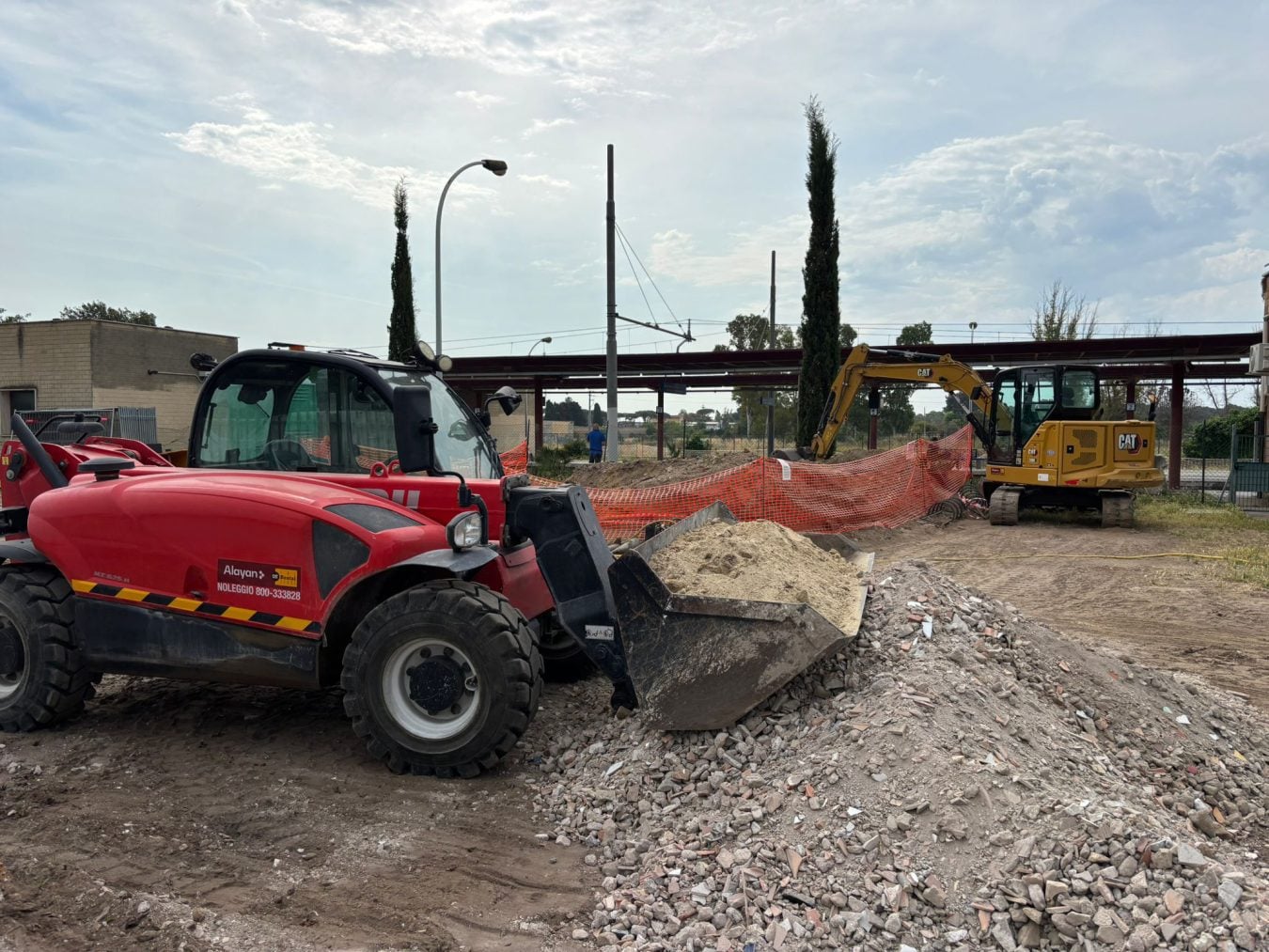
- Material buckets: Essential for scooping, transporting, and dumping loose aggregates, soil, and early-stage demolition rubble.
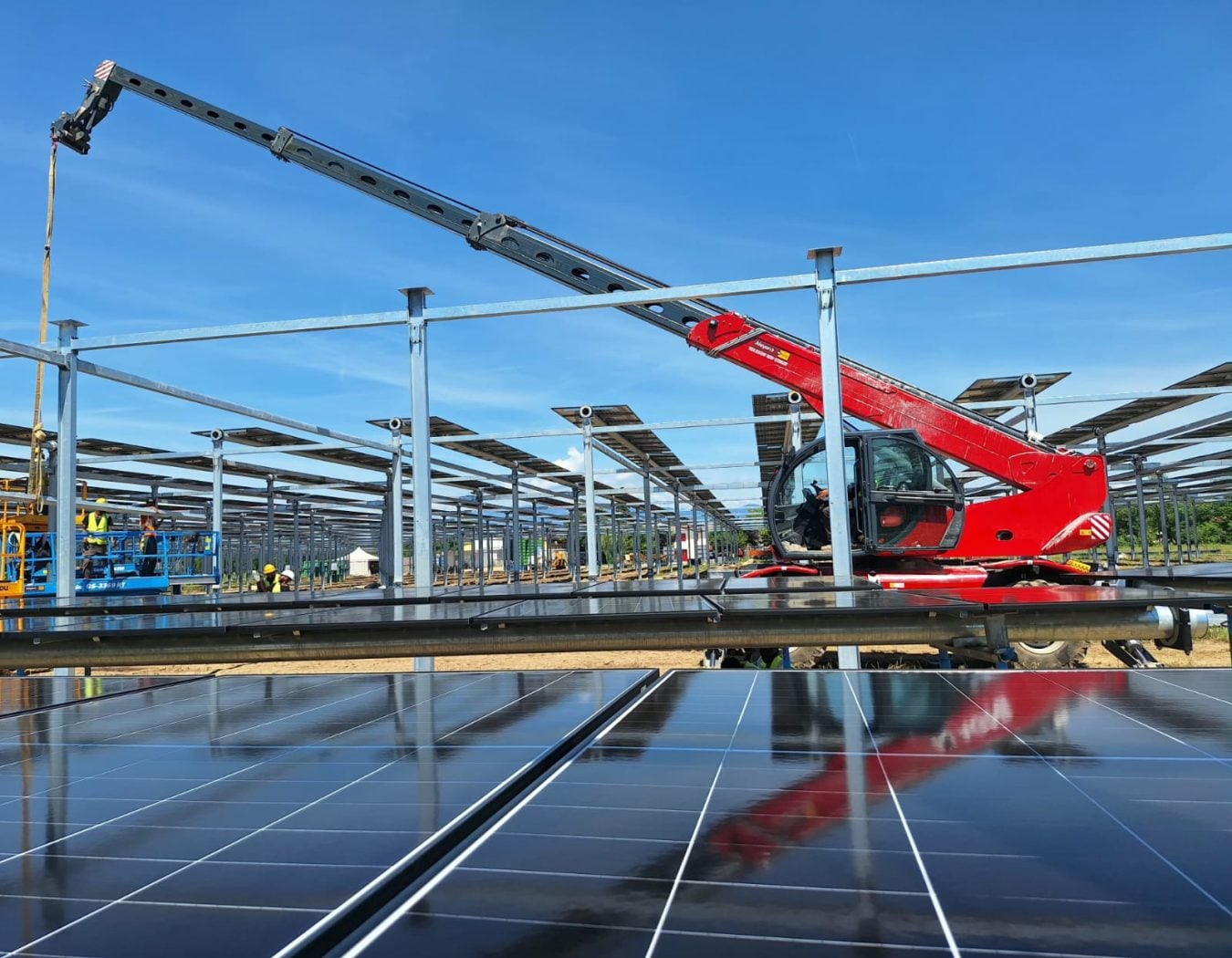
- Crane jibs and hooks: Facilitate suspended, dynamic lifting of awkward, non-palletized loads using certified chains and heavy-duty structural straps.
- Work platform baskets: Elevate personnel safely for high-altitude installation tasks. This deployment strictly requires secondary safety certifications, harness protocols, and specific machine-load calibrations.
- Hydraulic winches: Enable controlled pulling and dragging operations across the site footprint.
Procuring telehandler attachments alongside the base chassis from a comprehensive supplier like Alayan ensures total hydraulic compatibility and consolidates the logistics into a single, highly efficient rental workflow.
Common Mistakes When Hiring a Telehandler
Overlooking exact site dimensions and load physics during the procurement phase results in immediate operational bottlenecks and severe safety risks. Securing heavy machinery requires absolute precision regarding site data.
Avoid these critical procurement failures:
- Underestimating absolute reach: Failing to measure the exact vertical and horizontal distance required to place a load leaves the machine structurally incapable of completing the required lift. Measure exactly before reserving the asset.
- Overestimating maximum capacity: Assuming a 3.5-ton rated machine can lift 3.5 tons at its maximum forward extension ignores fundamental load chart physics and invites catastrophic tipping accidents.
- Forgetting operator certification: Arranging heavy machinery delivery without verifying the site team possesses the specialized, valid operator license immediately paralyzes the lifting operation upon arrival.
- Skipping vital attachments: Renting the machines and subsequently realizing an additional attachment is required forces secondary delivery charges, halting specific construction tasks.
- Not measuring access constraints: Neglecting to measure entry gates, internal turning radii, and ground bearing pressure results in heavy equipment trapped outside the active work zone. A telehandler carries a much larger footprint than standard site vehicles.
- Operating without a contingency plan: Lacking a structured breakdown response stalls the critical path. Selecting a provider with massive fleet depth guarantees same-day replacement capabilities if an asset suffers mechanical failure.
Why Rent a Telehandler From a Specialist Provider? Conclusion
Partnering with a multi-specialist rental firm ensures precise equipment matching and protects the project timeline against mechanical downtime. Procurement specialists secure massive operational advantages by utilizing providers with high-density fleets and robust technical support infrastructures.
Critical criteria for selecting a rental partner include:
- Extensive fleet heterogeneity: Accessing multiple chassis sizes ensures site engineers deploy the optimal machine for the exact phase, rather than forcing an oversized or underpowered unit into the workflow.
- Modern equipment standards: Utilizing young fleets guarantees Stage V emissions compliance for urban zones, advanced load stability computer systems, and maximum fuel efficiency.
- Comprehensive attachment availability: Sourcing the primary machine and all specialized boom attachments from a single entity simplifies invoicing and guarantees physical hydraulic compatibility.
- Rapid technical support: Securing contracts that include immediate field service interventions, deep maintenance routines, and guaranteed replacement units protects the project’s critical path.
- Wide geographic coverage: Utilizing a network with high regional density—such as Alayan’s 40+ branches across Italy—slashes transit times, minimizes delivery freight costs, and accelerates emergency mechanical dispatch.