

How to Rent a Generator: Complete Guide to Generator Rental
How to Rent a Generator: Complete Guide to Generator Rental
Temporary power systems keep your projects running when grid connections are unavailable, insufficient, or compromised. Renting a generator provides reliable electricity for construction sites, industrial facilities, or emergency backups without the massive upfront investment of equipment ownership. This guide explains how to accurately calculate your power needs, select the right energy sources, and configure the necessary equipment to build a dependable temporary power network.
When Should You Rent a Generator?
Renting a generator grants immediate access to specialized power equipment while avoiding the depreciation, storage, and maintenance costs tied to asset ownership. Mobile power systems bridge the utility gap during sudden grid failures, planned electrical upgrades, or rapid deployments for new construction projects. Choosing to rent ensures you pay for power infrastructure only when it actively generates value on-site, scaling seamlessly as your project phases evolve.
Relying on a comprehensive shared fleet gives project managers absolute flexibility to adapt to changing site conditions. In Southern Europe, industrial operators utilize Alayan’s fleet of over 30,000 machines, containers, and equipment units to secure continuous power availability. Whether supporting heavy industrial work or sustaining facility renovations and maintenance, accessing a modern rental network prevents costly project delays and keeps site operations moving efficiently.
How to Choose the Right Generator Size
Selecting the correct generator capacity dictates both site safety and budget management. An undersized unit struggles under the required electrical load, tripping circuit breakers and risking permanent damage to sensitive connected electronics. Conversely, renting an oversized machine wastes fuel and oil and causes “wet stacking” – a condition where unburned fuel accumulates in the exhaust because the engine runs too cold, degrading performance and increasing maintenance costs.
Calculating the right size requires measuring both your continuous running wattage and the sudden surge wattage needed to start heavy equipment. Tools with electric motors, like industrial pumps or compressors, draw a startup surge three to six times higher than their normal running power. Always catalog every piece of equipment that will run simultaneously, add the highest single surge requirement, and build in a 10% to 20% safety margin to guarantee reliable, uninterrupted operation.
Generator Rental Power Ranges and Applications
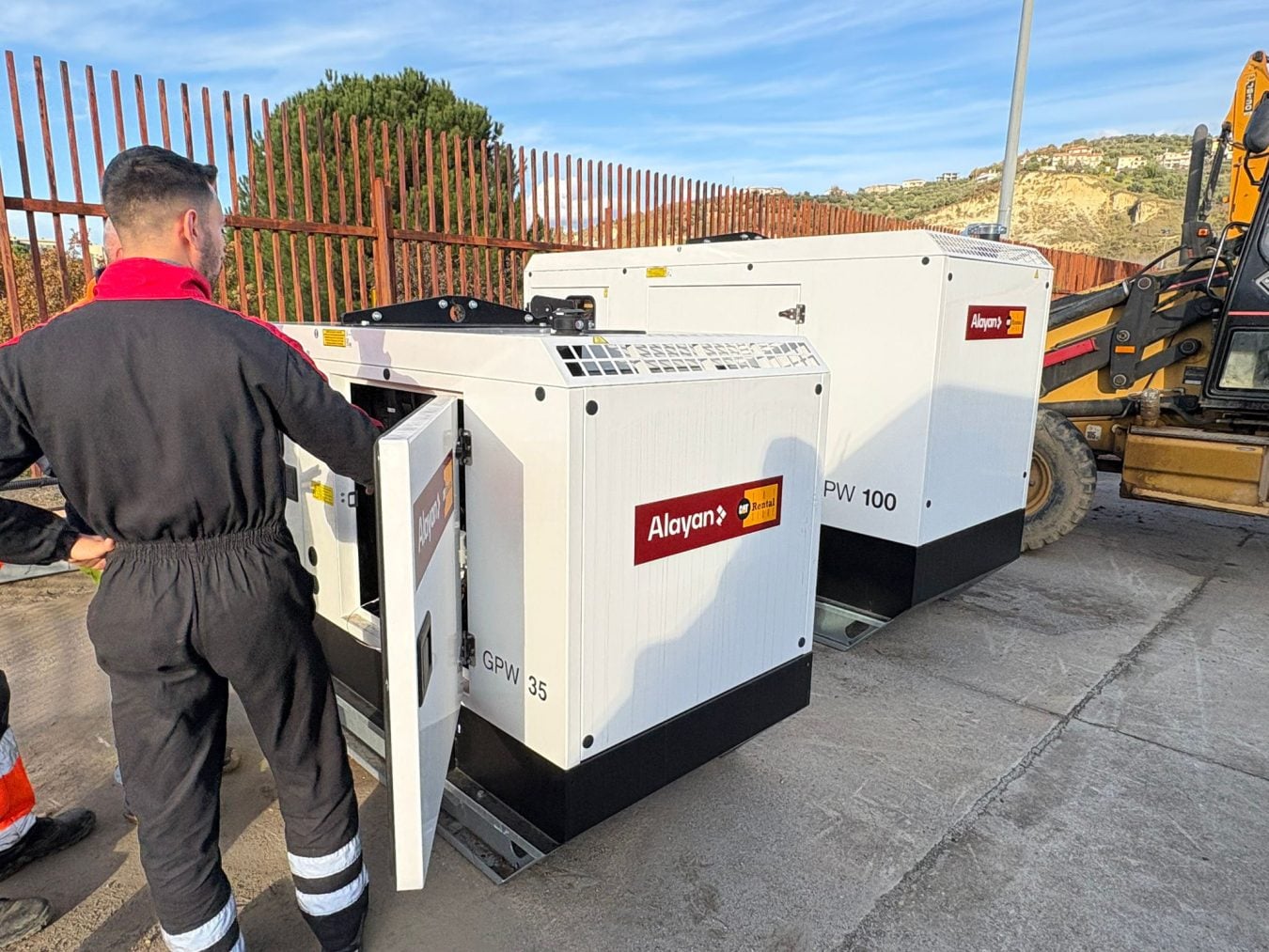
Temporary power units come in various sizes to match specific commercial, industrial, and event demands. Industrial providers like Alayan supply enclosed and containerized generators specifically built for parallel applications, ranging heavily from 80 kVA up to 2,000 kVA per unit for rigorous demands.
- Light & Portable Power: Generators from 2.0 kVA to 10 kVA support hand tools, minor site lighting, and highly mobile operational needs.
- Small Commercial Systems: Utilizing 10 kVA to 40 kVA units manages submersible pumps and standard site office modules.
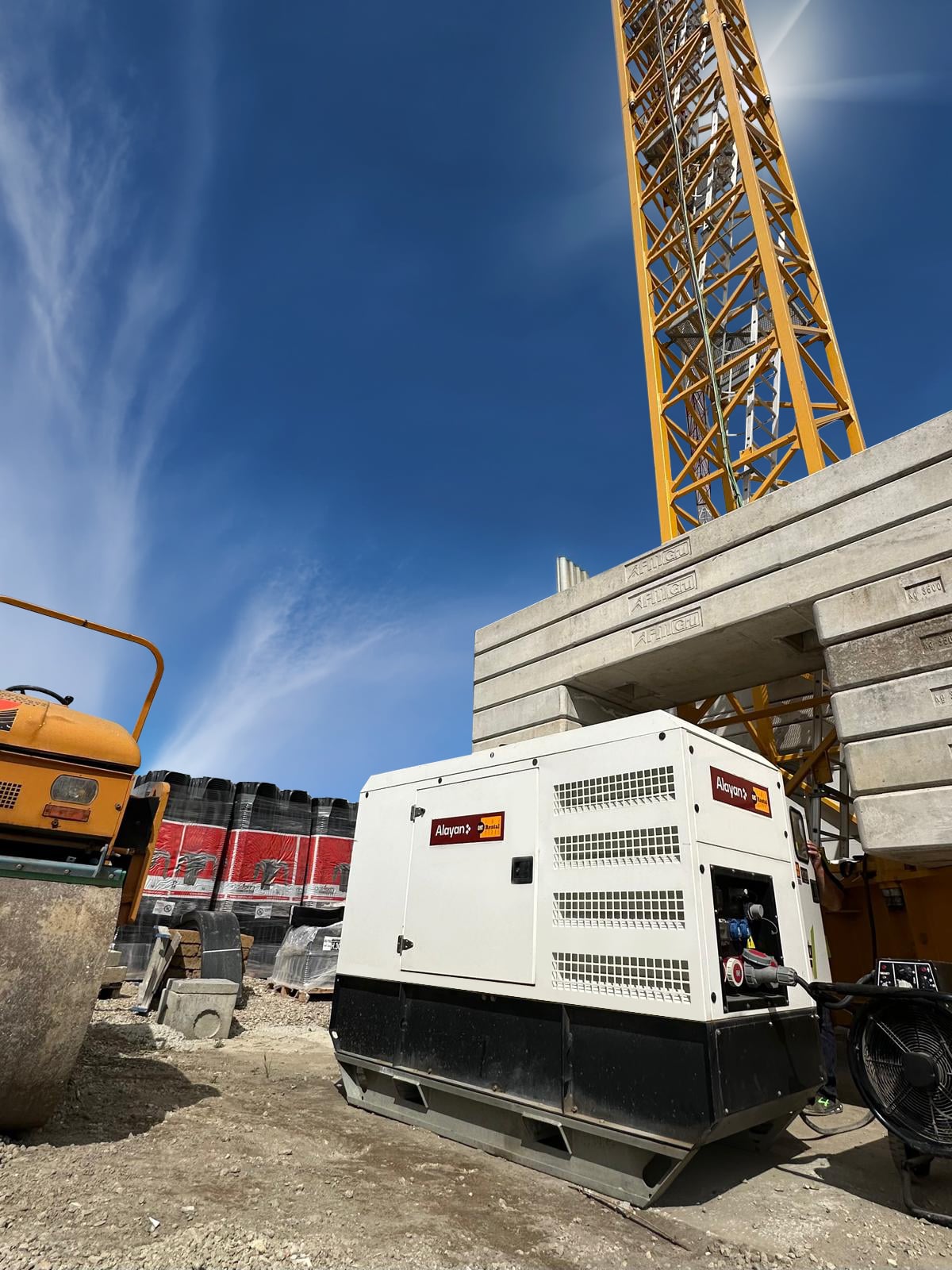
- Medium Site Infrastructure: Deploying 50 kVA to 115 kVA systems powers tower cranes and specialized setups for sports events.
- Heavy Construction Support: Utilizing 115 kVA to 200 kVA generators handles larger earthmoving support systems and central site distribution grids.
- Industrial Operations: For rigorous manufacturing, 200 kVA to 300 kVA heavy-duty units provide stable, continuous mechanical output.
- Large-Scale Logistics: Deploying 300 kVA to 500 kVA power configurations sustains heavy dewatering setups and complex HVAC rental networks.
- Major Civil Engineering: Procuring equipment in the 500 kVA to 800 kVA ranges supplies uninterrupted power for large tunneling, mining, or civil works.
- Utility, Grid Backup and contingency emergency power: Utilizing massive 1400 kVA to 2000 kVA configurations secures entire industrial complexes and bridges municipal grid failures.
What Equipment Is Needed Besides the Generator?
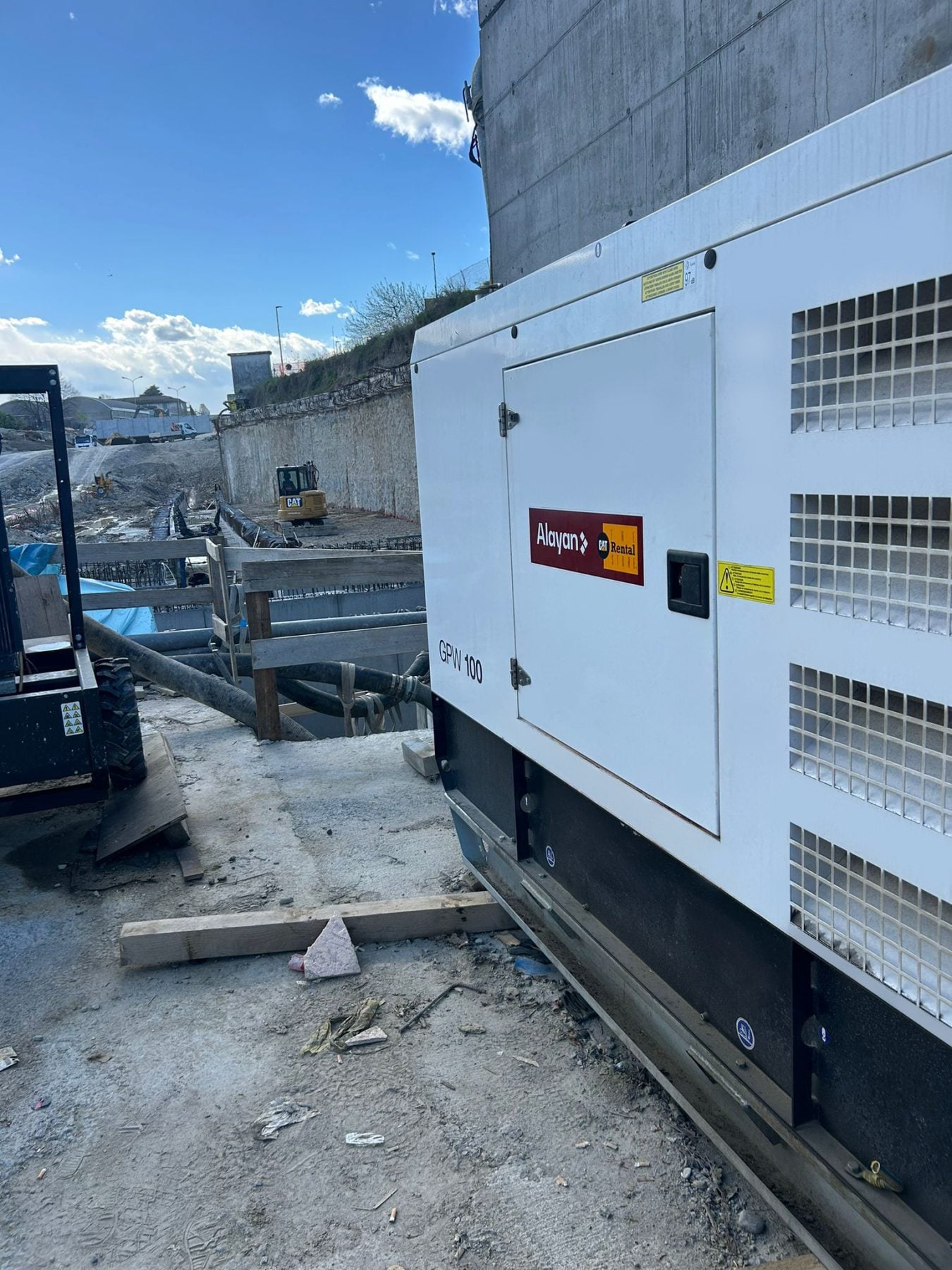
A generator functions strictly as the power source; safely distributing that electricity requires specialized auxiliary components matched perfectly to your site’s electrical load. Comprehensive rental providers maintain extensive equipment inventories to build these complete networks.
- Transformer Stations (LV-HV Stations): High-capacity transformer stations ranging from 1.6 MVA to 8 MVA and operating between 400 V and 20 kV, reliably step voltage up or down not only to supply heavy machinery, but also to support MV/LV distribution and ensure efficient grid connections over long distances.
- Load Banks: Resistive load banks (3 kW to 600 kW) and reactive load banks (up to 3,300 kVA) apply an artificial electrical load to prevent engine wet stacking when actual site demand drops, but also to perform generator testing, commissioning and periodic performance verification under controlled conditions.
- Switchboards & Distribution: Custom switchboards of various voltages and configurations, alongside breaker boxes, safely divide the main power feed into smaller circuits.
- Power Cables: Heavy-duty, weather-resistant copper cables connect the entire system minimizing voltage drop; specialized providers stock over 300 km of cabling to handle any layout.
- External Fuel Tanks: These supplementary tanks from 1000 to 64000 l connect directly to the engine, extending runtime and reducing refueling frequency.
- Automatic Transfer Switches (ATS): An ATS monitors the main grid and instantly transfers your facility’s load to the generator during a blackout.
How the Generator Rental Process Works
Securing a rental generator starts with a clear assessment of your power requirements, equipment loads, and exact project timeline. Providing your rental partner with detailed equipment lists allows them to engineer the precise machinery and cable layout needed, preventing costly deployment delays.
Once the engineering phase concludes, deployment follows a highly structured, professional sequence:
- Site Inspection: Evaluating the physical layout for delivery access, stable ground, and mandatory exhaust ventilation space.
- Operations: scaling project according site inspection
- Logistics and Delivery: Transporting the machinery utilizing specialized commercial work vehicles equipped for heavy industrial delivery.
- Setup and Safety: Positioning the generator, driving grounding rods into the earth, and securing secondary fuel containments.
- Electrical Connection: Connecting the generator to the customer’s electrical distribution system and commissioning the temporary power network.
- Testing: Starting the engine and verifying voltage stability under your actual working site load.
- Removal: Disconnecting the system safely and hauling the equipment away upon project completion.
Most Important Factors to Consider Before Renting
Evaluating your physical site conditions beforehand prevents severe operational bottlenecks during deployment. Generators require adequate open space for air intake; placing them in confined areas demands specialized ducting to prevent thermal shutdown. Establishing a strict fuel delivery schedule based on your continuous runtime is also mandatory to keep the prime mover fueled and operational.
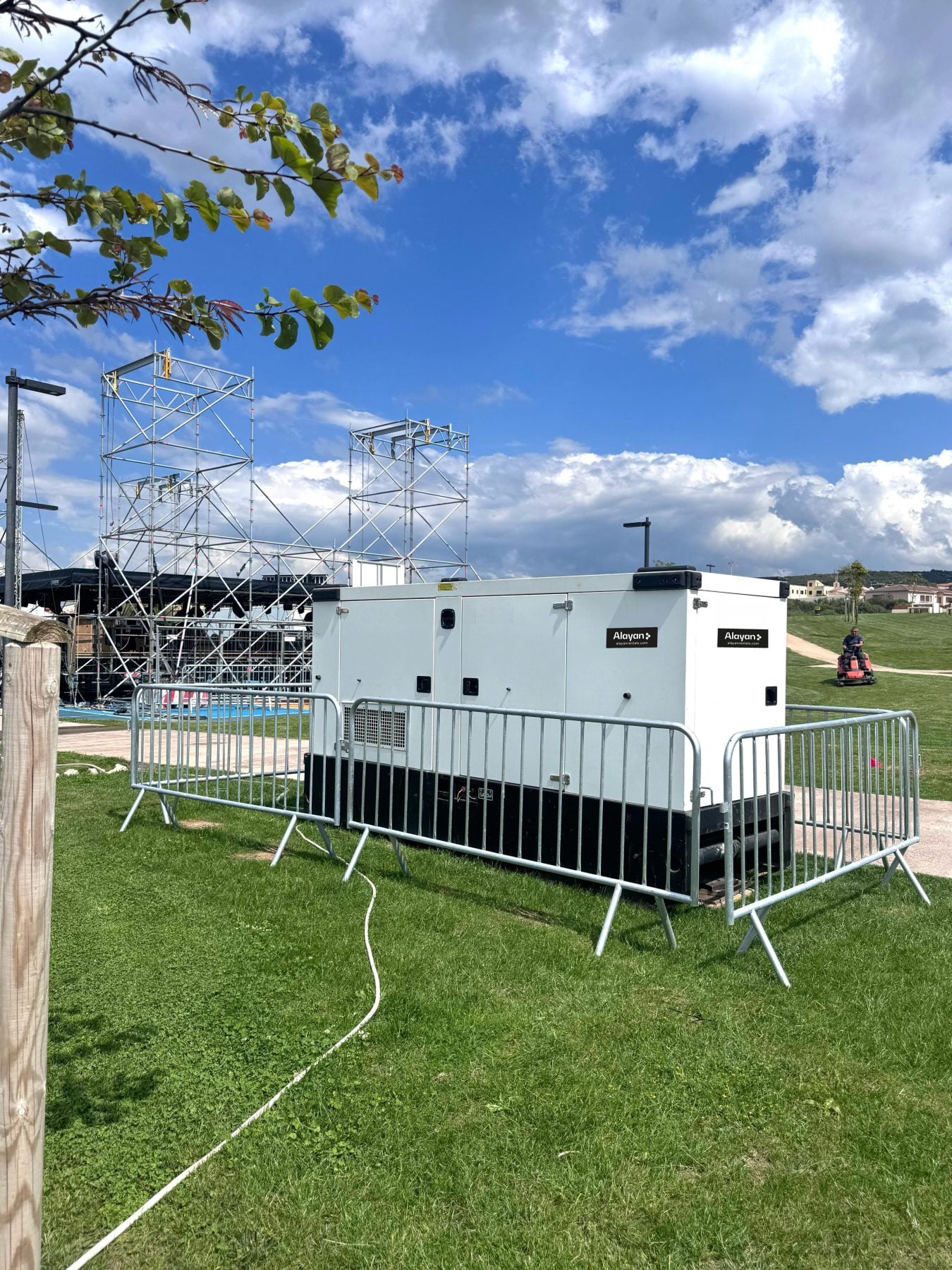
Acoustic restrictions dictate equipment selection in populated areas or highly sensitive commercial environments. Standard open-frame units generate significant noise, meaning sound-attenuated, containerized enclosures are necessary for concerts and television productions or conventions and corporate meetings. Confirming your rental agreement includes rapid 24/7 technical support ensures any mechanical faults are resolved immediately, protecting your production schedule.
Common Mistakes When Renting a Generator
Failing to account for the starting surge of large electric motors remains the most frequent and damaging sizing error. Calculating only the standard running wattage means the sudden power spike from a heavy compressor will overload the alternator, instantly dropping voltage and shutting down your entire site.
Neglecting scheduled fuel deliveries and poor fluid management introduces severe reliability risks to your equipment. Running a diesel tank until it is completely dry pulls settled dirt and condensation directly into the engine’s injection system, clogging filters and causing system shutdown, fuel contamination and the need for restoration work. Implementing a managed fuel plan and engineering operational redundancy through parallel generators saves you from unexpected delays.
Why Rental Generators Are Critical During Energy Emergencies
Sudden power outages threaten the financial stability and safety of industrial facilities, cold storage warehouses, and active public infrastructure. Renting a temporary generator establishes a secure energy bridge, keeping mission-critical systems running seamlessly until primary grids are fully restored.
Rapid mobilization minimizes downtime when unexpected municipal grid failures occur. Partnering with a specialized provider guarantees immediate delivery of heavy-duty power configurations, ensuring essential underground services and utilities maintain active pumping and ventilation systems, preventing disastrous site flooding or safety hazards.
Why Choose a Specialized Generator Rental Provider
Partnering with a specialized equipment rental provider gives you direct access to engineering expertise rather than just a basic machinery drop-off. Specialists design your entire temporary power network – from the exact length of cabling to the specific transformer stations – ensuring everything perfectly matches your operational requirements.
Working with a dedicated division like Alayan Power ensures you leverage a fleet of over 20,000 units, backed by rigorous maintenance protocols and responsive technical support. This specialized focus guarantees high equipment reliability, efficient fuel management, and the rapid service necessary to keep your most demanding projects securely on schedule.