

Construction Equipment Rental: A Strategic Guide for Project Managers and Contractors
Construction Equipment Rental: A Strategic Guide for Project Managers and Contractors
Executing complex civil, industrial, and commercial projects requires balancing capital allocation against site-level productivity. Modern contractors leverage construction equipment rental to secure task-specific machinery, adapt to shifting project timelines, and eliminate long-term asset holding costs. Sourcing assets through a strategic rental framework ensures immediate access to compliant, high-spec machinery while protecting operational cash flow across every construction phase.
Introduction
Procuring heavy machinery through short-, mid-, or long-term hire agreements provides contractors with operational agility across fast-track builds. Relying on equipment rental enables project teams to scale site capacity on demand, deploying specialized earthmoving, access, and power units without tying up capital in low-utilization assets. This guide outlines primary machinery categories, regulatory compliance standards, zero-emission jobsite trends, and operational criteria for selecting a regional rental provider, including execution frameworks applicable to equipment hire across diverse international markets.
- Operational Agility: Scale machine capacity based on immediate site requirements without long-term balance sheet commitments.
- Asset Optimization: Match specialized machine specs directly to soil conditions, lift profiles, and site constraints.
- Risk Mitigation: Reduce the burden of equipment maintenance, statutory inspections, and fleet renewal by leveraging the support and expertise of a professional rental partner.
What Is Construction Equipment Rental?
Construction equipment rental is an operational procurement framework where contractors secure heavy machinery, temporary site facilities, and specialized tooling under time-bound commercial agreements. Contracts operate across daily, weekly, monthly, or multi-year terms, providing site managers with full usage rights while the rental provider retains asset ownership, statutory compliance responsibility, and primary maintenance obligations. The scope encompasses earthmoving, powered access, energy systems, modular structures, and handheld site tools.
This procurement model has evolved into a standard operational strategy across infrastructure, commercial building, industrial maintenance, and civil works. Project requirements frequently demand specialized machine configurations – such as long-reach excavators or high-capacity electric booms – that yield insufficient annual utilization to justify direct purchase. Utilizing flexible rental options allows contractors to maintain lean balance sheets while maintaining immediate access to technical equipment solutions tailored to individual jobsite conditions.
Why Construction Equipment Rental Has Become the Default
Capital allocation models in modern construction prioritize liquidity and project-specific cost accounting over physical asset accumulation. Tying up capital in heavy machinery subjects contractors to balance sheet illiquidity and severe balance-sheet depreciation risks during market contractions.
- Capital Expenditure Avoidance: Renting converts heavy fixed capital investments into variable project costs, preserving working capital and borrowing capacity for core operational growth.
- Stage V Emissions Compliance: Municipal Low Emission Zones (LEZs) enforce strict non-road mobile machinery (NRMM) standards. Owned diesel assets age out of compliance rapidly, whereas rental fleets update continuously to meet environmental mandates.
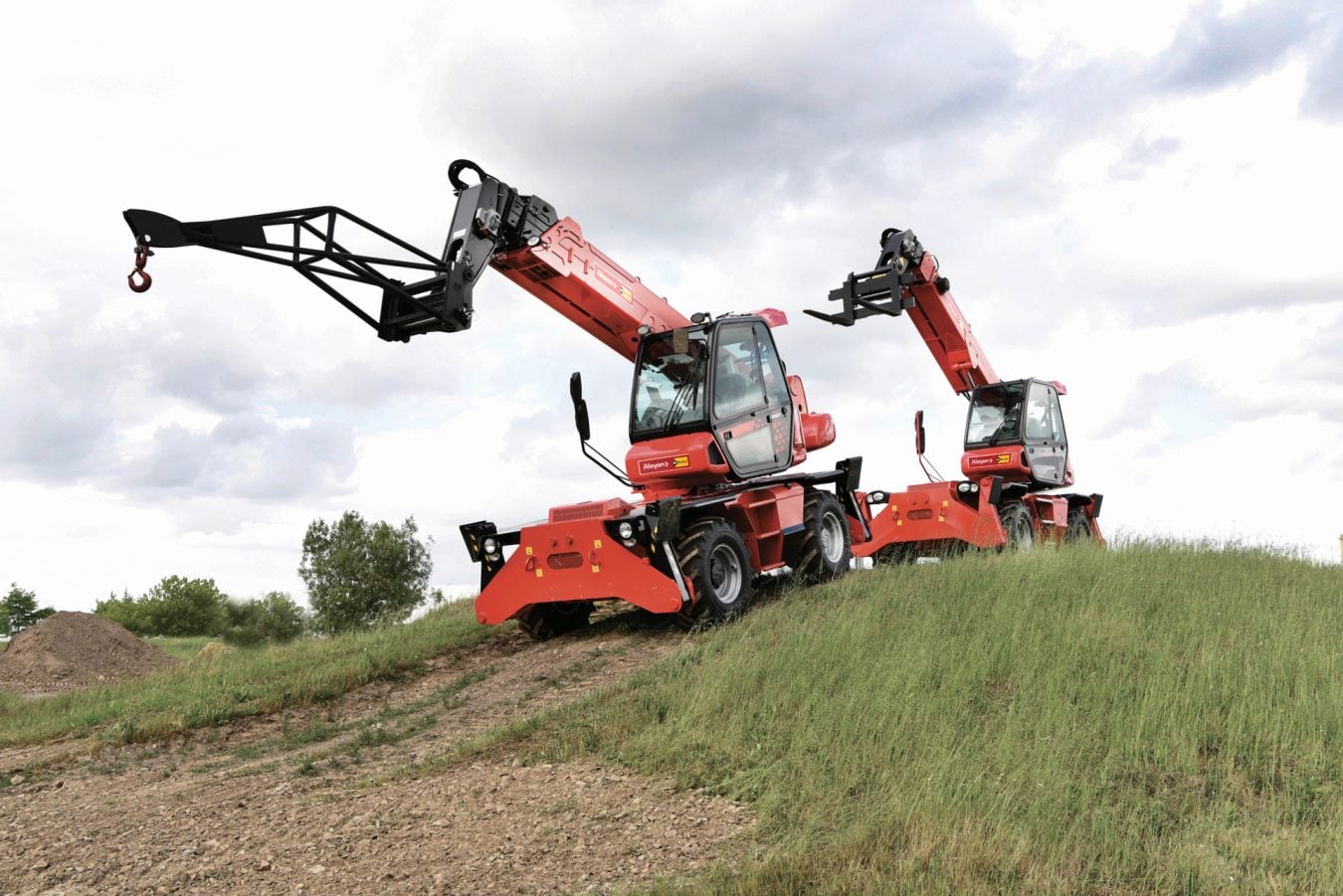
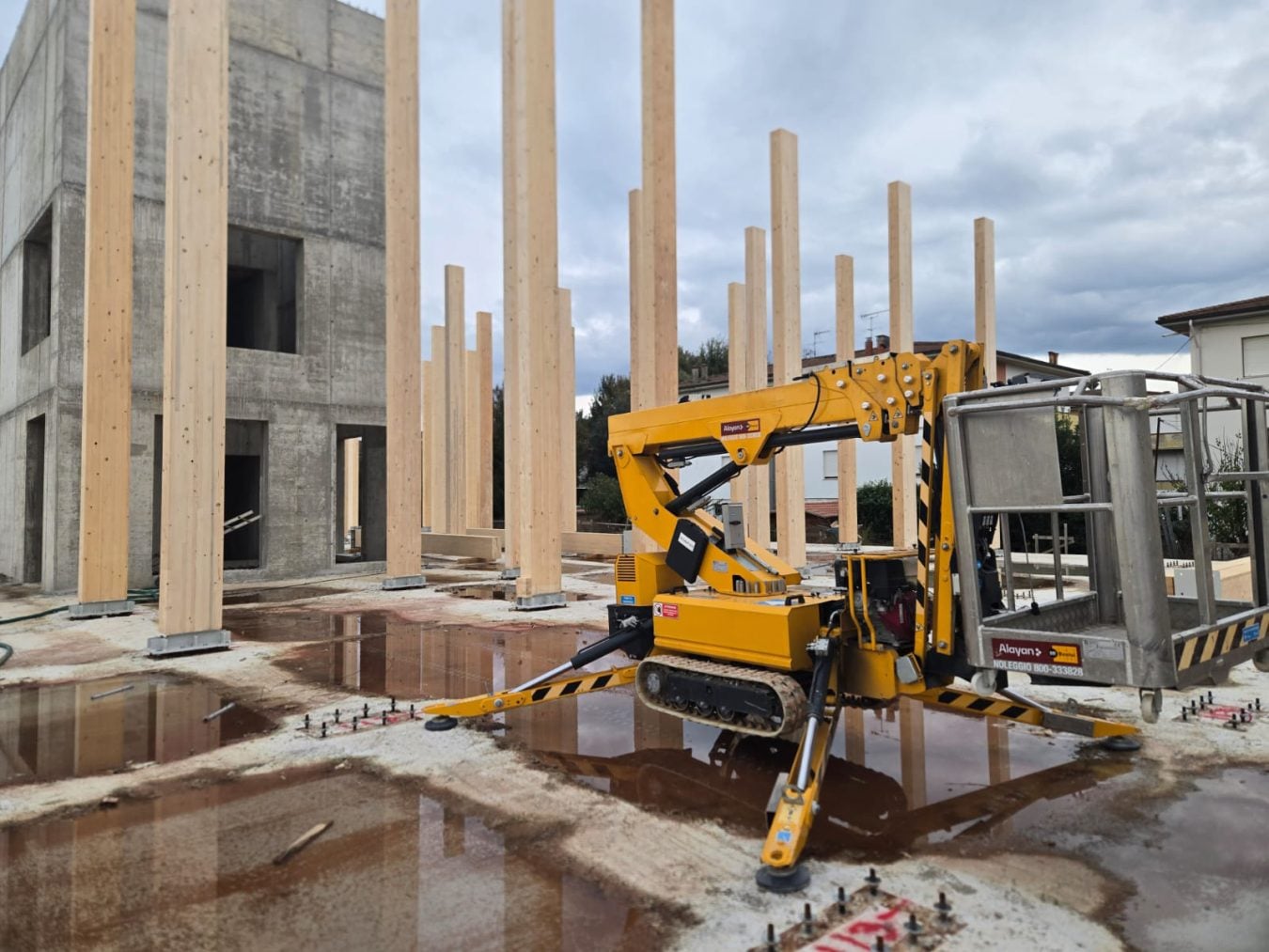
- Access to Specialized Equipment: Niche assets such as spider lifts, high-reach demolition excavators, and rotating telehandlers may not always justify direct ownership due to their specialized applications and often limited annual utilization.
- Elimination of Maintenance Burden: Scheduled servicing, unexpected component failures, statutory inspections, and spare parts inventory management generally transfer to the equipment owner.
- Operational Risk Transfer: Rental can significantly reduce exposure to machine downtime risks, transport logistics, storage costs between projects, and residual value fluctuations through support services provided by the fleet provider.
Rent vs Buy – Construction Equipment Decision Framework
Determining whether to buy or rent heavy machinery depends on forecasted annual machine utilization, contract duration, and cash flow constraints.
| Decision Criteria | Buy Strategy | Rent Strategy | Hybrid Model |
|---|---|---|---|
| Project Duration | Multi-year continuous operations | Short-term or phase-specific tasks | Long-term site base + peak hire |
| Equipment Type | High-demand workhorse machinery | Niche or specialized configurations | Own excavators, rent specialized lifts |
| Regulatory Needs | Standard baseline jobsite specs | Strict Stage V / LEZ compliance | Standard core fleet, rent compliant units |
| Capital Availability | Unrestricted capex reserves | Restricted capex, prioritized liquidity | Financed core assets + variable hire |
Purchasing equipment obligates the owner to continuous administrative and financial commitments, including routine servicing, preventive maintenance planning, secure off-site storage, mandatory annual safety inspections, and telematics tracking. Conversely, structured rental contracts bundle asset delivery, maintenance guarantees, field repairs, and compliance certifications into a single predictable line item. Contractors frequently adopt a hybrid strategy: owning baseline assets, while sourcing high-reach MEWPs, generators, and modular offices through flexible rental channels.
Main Categories of Construction Equipment for Rental
Site preparation, structural erection, and facility setup require synchronized deployment of varied equipment classes.
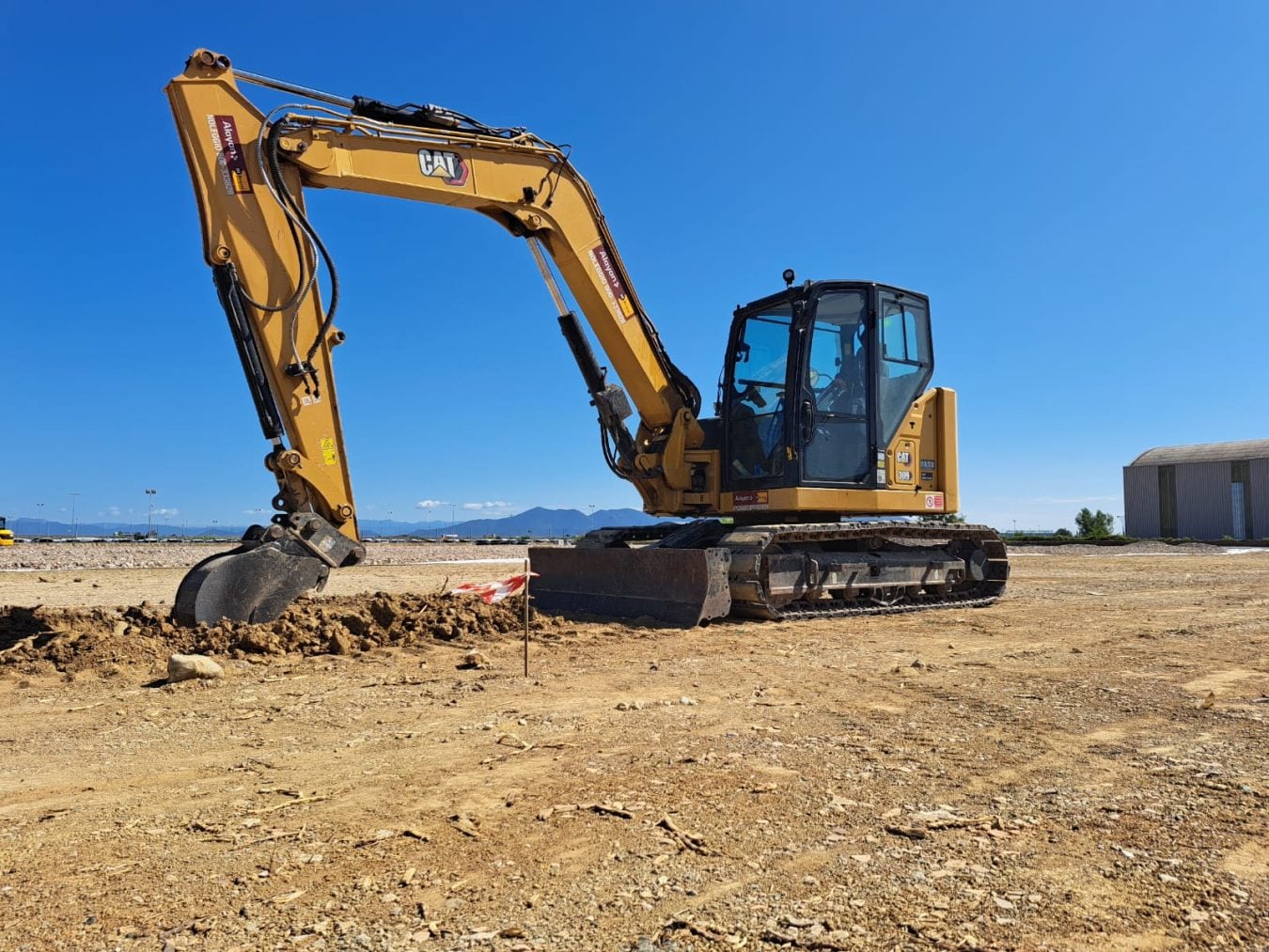
- Earthmoving Equipment: Mini excavators, crawler excavators, wheeled loaders, site dumpers, and backhoe loaders handle site clearance, foundation trenching, and material movement. Explore dedicated earthmoving machinery rental options for jobsite excavation needs.
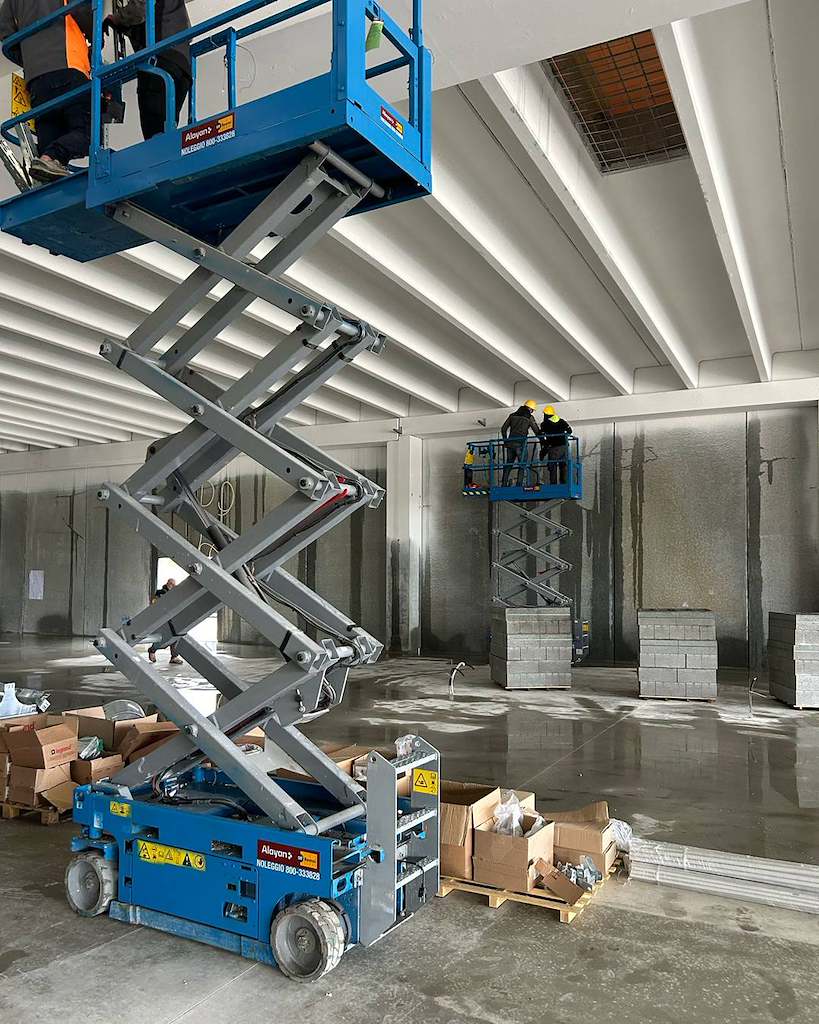
- Powered Access (MEWPs): Electric and diesel scissor lifts, articulated boom lifts, telescopic booms, and spider lifts provide safe elevated working platforms across installation and cladding phases. Review specialized powered access equipment configurations.
- Material Handling: Fixed and rotating telehandlers, rough-terrain forklifts, and industrial trucks execute vertical lift tasks and palletized site logistics.
- Power and Lighting: Diesel and hybrid generators, portable light towers, distribution panels, and step-down transformers establish off-grid site electrification. Secure site utilities via temporary power solutions.
- Temperature Control: Direct-fired gas heaters, water chillers, industrial desiccant dehumidifiers, and portable air conditioners control concrete curing and interior drying. Deploy engineered HVAC rental systems.
- Compaction and Concrete: Tandem rollers, trench compactors, vibratory plates, concrete mixers, and power trowels prepare sub-bases and execute structural slabs.
- Site Accommodation: Modular office cabins, site canteens, sanitary blocks, and steel storage containers establish administrative site infrastructure. Set up operational hubs using modular site infrastructure.
- Tools and Small Equipment: Hydraulic breakers, masonry saws, floor sanders, and industrial pressure washers support finishing and maintenance tasks.
Sustainability and Low-Emission Construction Equipment
Environmental criteria and urban noise restrictions now form core evaluation metrics within public and private procurement tenders. Construction sites operating within inner-city zones require machinery engineered to eliminate tailpipe emissions and attenuate operational noise levels.
Non-road mobile machinery regulations specify Stage V emission limits, severely restricting particulate matter and nitrogen oxide output. Rental providers accelerate fleet renewal cycles to integrate advanced Stage V diesel engines, battery-electric machinery, and hybrid drive systems into active deployment. Electric mini excavators and lithium-ion scissor lifts help contractors meet zero-emission jobsite requirements, allowing enclosed indoor operations without auxiliary extraction fans.
Operating low-noise equipment allows contractors to extend working windows into early morning or nighttime hours within residential areas. Access to modern, compliant equipment is one reason why rental providers play an increasingly important role in supporting sustainability objectives across construction projects.
How to Choose a Construction Equipment Rental Partner
Selecting an equipment provider requires verifying technical capabilities, fleet depth, and field support responsiveness to prevent project delays.
- Fleet Depth Across Categories: Partnering with a multi-specialist supplier covering earthmoving, access, power, and site facilities streamlines procurement admin and consolidates site logistics.
- Geographic Branch Coverage: Dense branch networks reduce transport distances, lowering mobilization fees and accelerating equipment replacement cycles during emergencies.
- Fleet Age and Environmental Compliance: Ensuring assets meet strict emission mandates guarantees immediate approval for low-emission urban jobsite tenders.
- Brand Standardization: Sourcing standardized equipment – such as Caterpillar-based networks – ensures uniform control layouts for operators, predictable hydraulic performance, and simplified maintenance routines.
- Technical Field Support: Access to 24/7 emergency repair services and dedicated mobile field technicians minimizes lost production hours during mechanical faults.
- Billing Transparency: Clear commercial terms detailing delivery charges, off-hire inspection protocols, fuel policies, and wear-and-tear clauses eliminate invoice discrepancies.
- Cross-Equipment Expertise: Access to specialized technical engineers who calculate power loads, HVAC airflow requirements, or shoring specifications optimizes equipment selection.
Construction Equipment Rental – Conclusion
Strategic equipment rental transforms capital allocation models, turning fixed balance sheet liabilities into scalable operational assets. By aligning machinery specs with jobsite conditions, contractors maintain strict compliance with Stage V emission standards, optimize site logistics, and mitigate maintenance overhead.
Alayan serves as an operational reference in project execution across diverse regional markets, offering an extensive fleet of over 30,000 units with an average asset age under three years. Operating through specialized divisions – including the CAT Rental Store network for earthmoving, Alayan Power & Events for temporary utilities, and dedicated modular infrastructure branches – Alayan supports complex builds through more than 40 strategic locations, backed by a large team of technical field specialists.