

Dumper Hire: A Complete Guide to Renting Site Dumpers
Dumper Hire: A Complete Guide to Renting Site Dumpers
Managing a demolition or groundworks site requires moving tonnes of aggregate, soil, and debris across uneven terrain daily. For projects lasting only a few months, acquiring heavy machinery directly strains capital and operational logistics. Relying on an extensive equipment rental fleet ensures immediate access to the right hauling capacity without long-term maintenance liabilities.
What Is a Site Dumper?
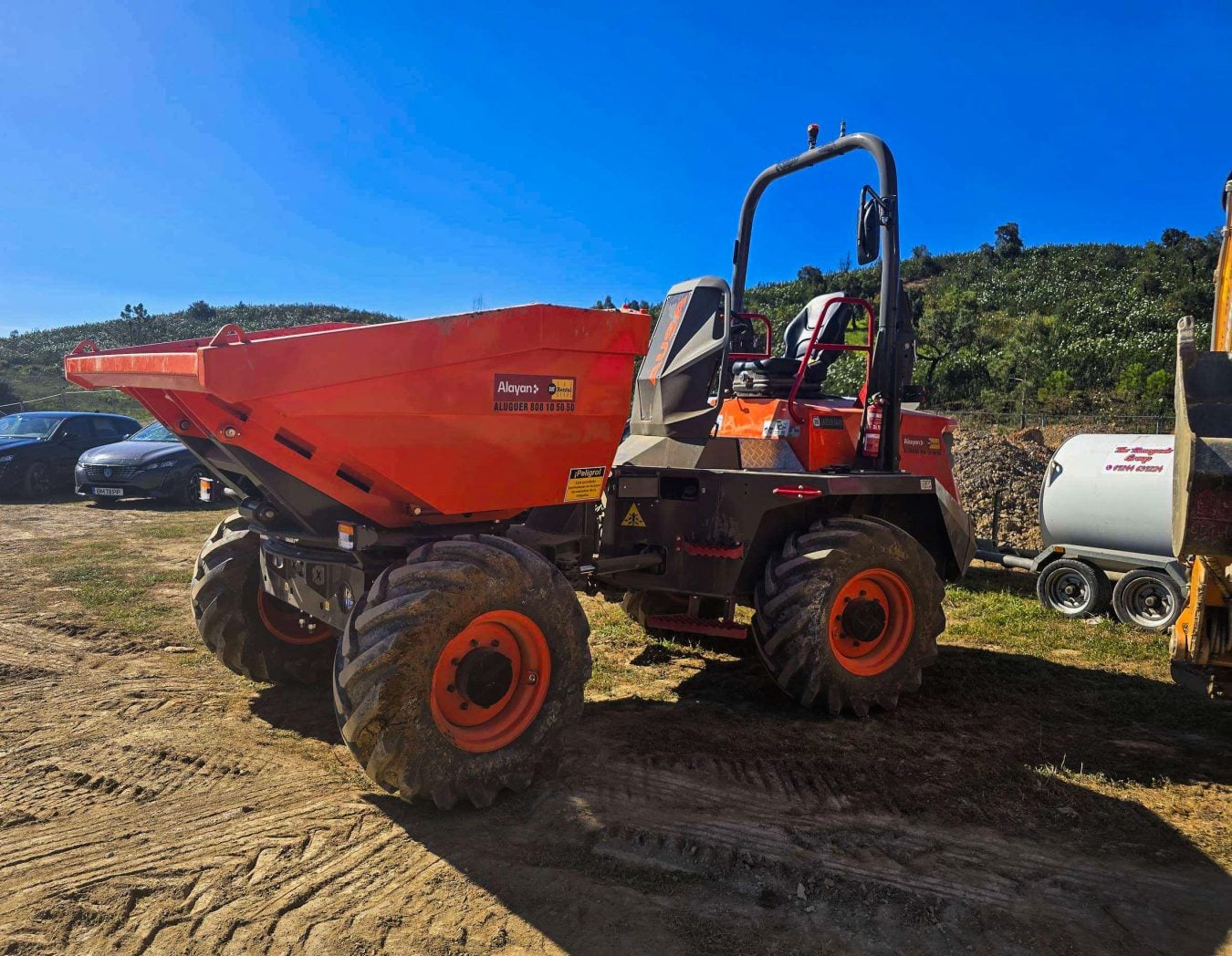
A site dumper accelerates material handling by transporting loose loads across difficult terrain where conventional trucks lose traction. It is a motorized, robust hauling vehicle available in wheeled or tracked configurations.
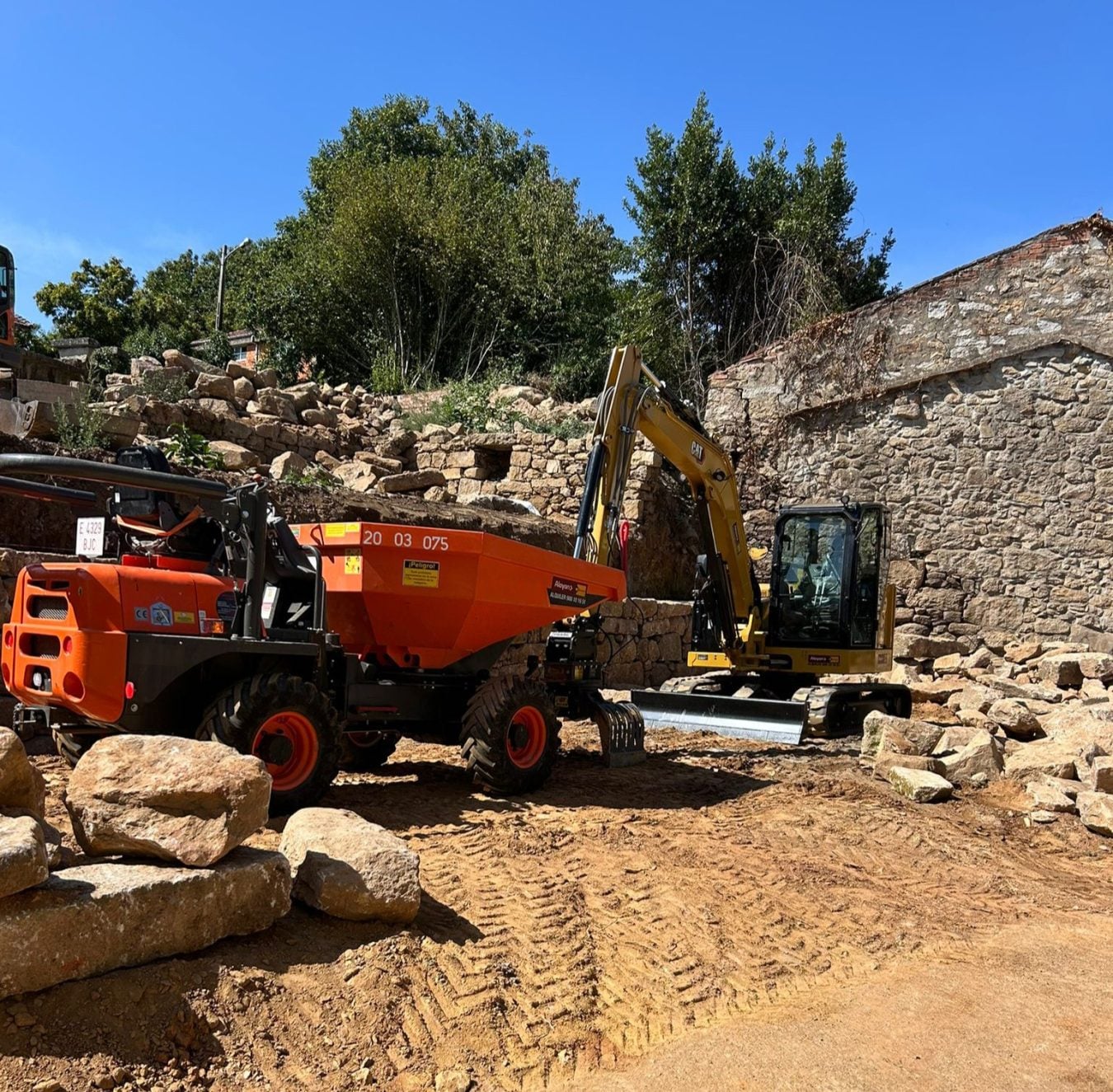
Operationally, dumpers integrate directly with excavation workflows. An excavator loads the machine’s skip with soil, rubble, sand, aggregate, or green waste. The dumper then transports this material over short internal site distances, discharging the payload precisely using forward-tipping, swivel, or hi-tip mechanisms.
Deploy these machines for specific site logistics tasks:
- Relocating demolition debris and excavated spoil away from active work zones to centralized holding areas.
- Distributing heavy aggregates, wet concrete, and sand to exact usage points, bypassing slow and labor-intensive manual wheelbarrow transport.
- Navigating muddy, heavily rutted, or sloped ground to maintain supply chains across unprepared terrain.
- Transferring bulk earth between primary excavation trenches and external disposal points.
- Executing landscaping, agricultural, and infrastructure logistics in environments with severe access restrictions.
How to Choose the Right Dumper for Your Job
Selecting the correct machine requires matching payload capacity, drive mechanism, and tipping configuration directly to the site’s topography and workflow constraints.
| Specification | Operational impact | Common configurations |
|---|---|---|
| Payload capacity | Dictates the volume of material moved per trip. | 1t, 1.5t, 3t, 4t (standard 40-quintal class) |
| Drive type | Determines terrain capability and transport speed. | Wheeled (fast on hard ground), tracked (high traction on mud/slopes). |
| Tipping type | Controls how and where material is discharged. | End-tip (straight ahead), swivel (180-degree side tip), hi-tip (elevated discharge). |
Base your procurement on exact site scenarios:
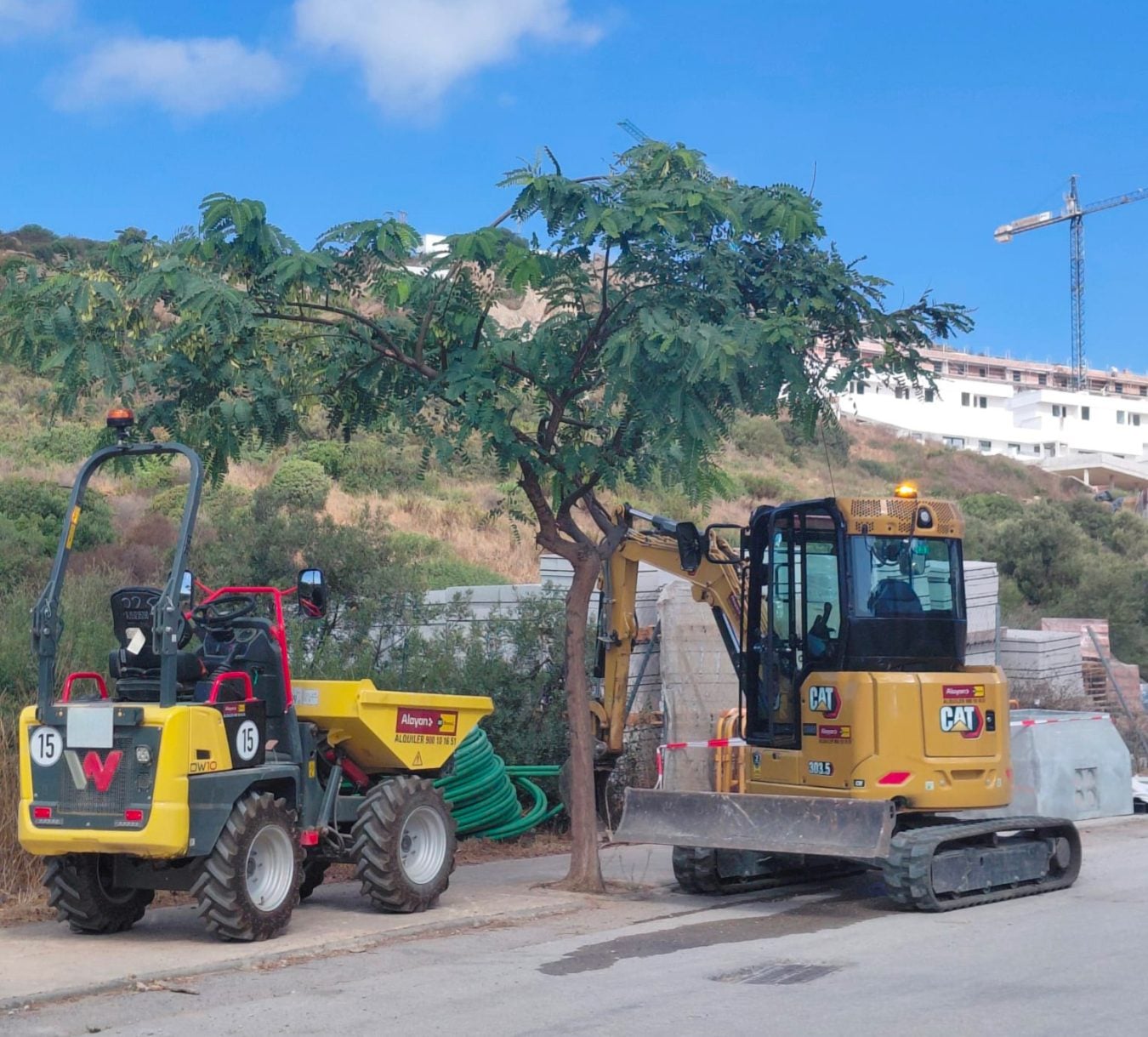
- Residential landscaping or minor groundworks: Deploy a 1–1.5t wheeled dumper. These compact machines are suitable for smaller sites and can handle soil, sand and other materials efficiently. Alayan’s Wheeled Mini Dumper 1.5 t for Rental is one example, with a maximum payload of 1,500 kg and a swivel skip for easier material discharge.
- Urban construction logistics: Specify a 3–4t wheeled dumper equipped with a swivel skip. This configuration maneuvers easily around scaffolding and discharges aggregate into trenches without turning the vehicle.
- Heavy infrastructure or quarrying: Utilize 6–9t heavy-capacity tracked dumpers. These high‑capacity machines continuously haul earth volumes across completely undeveloped terrain.
- Waterlogged or steep gradients: Use a tracked dumper regardless of load size. Tracks distribute machine weight, preventing sinking and maintaining operational traction on severe slopes.
Why Renting a Dumper Is Better Than Buying One
Procuring construction machinery rental limits capital expenditure and eliminates the depreciation tied to owning idle heavy equipment.
Outright purchase demands high upfront capital and commits a company to a specific machine size, regardless of future project limitations. Sourcing temporary heavy equipment strictly for the project duration converts fixed capital costs into predictable operational expenses. If you plan to use a dumper for only one or two seasonal projects, ownership creates unnecessary financial drag.
Operational benefits of renting include:
- Zero capital lock-up: Avoids the heavy initial investment required for specialized earthmoving machinery.
- Project-specific scalability: Allows site managers to quickly adapt machinery to changing ground conditions.
- Eliminated storage overhead: Removes the logistical burden of securely storing and transporting large vehicles between temporary deployment phases.
- Simplified maintenance management: Assistance activities, technical inspections, and any necessary replacements are generally handled by the rental provider, reducing the operational workload required from the customer.
- Budget flexibility: Ensures payment occurs only when the machine actively contributes to site productivity.
Hiring a Dumper? Practical Experience-Driven Warnings
Failing to match dumper specifications to exact site variables causes severe downtime, safety hazards, and schedule delays. Avoid these six critical operational mistakes:
- Mismatched drive types: Deploying a wheeled dumper on wet, uncompacted clay guarantees it will sink. The resulting recovery time destroys site productivity faster than the marginal cost difference of hiring a tracked unit.
- Volume vs. weight overloading: Filling a 3t skip to the brim with wet clay or concrete drastically exceeds the machine’s safe working load. Operators must calculate material density, not just physical skip volume.
- Incorrect discharge selection: Ordering a standard end-tip machine for trench backfilling forces the operator to constantly reposition the entire vehicle, risking trench collapse. Always specify a swivel skip for lateral discharge in tight zones.
- Ignoring access bottlenecks: A high-capacity machine is useless if it cannot pass through narrow gates, navigate steep access ramps, or operate safely on soft verges.
- Scaling solely by project size: A massive site might still require 1.5t machines if the transport path crosses fragile underground utilities or narrow structural slabs.
- Operating without technical redundancy: Dumper breakdowns halt earthmoving instantly. Partnering with a supplier that maintains a deep local fleet guarantees rapid replacement machines, preventing the entire site from stalling.
Why Rent Dumpers From a Specialist Provider?
A specialized equipment‑rental partner provides access to a broad fleet, upholds rigorous maintenance standards, and applies rapid replacement protocols to support project timelines.
Sourcing machinery from a dedicated operational partner ensures project managers receive precise equipment rather than settling for mismatched inventory from a generalist supplier.
Core operational advantages include:
- Broad fleet availability: Access to exact payload classes and drive configurations ensures the machine perfectly matches the specific ground conditions and load weights.
- Modern fleet reliability: Modern machines comply with current emissions standards and drastically reduce mechanical failure risks.
- Rapid technical intervention: Immediate breakdown response and seamless machine swaps prevent earthmoving operations from stalling.
- Strategic geographic coverage: With over 40 branches across Italy, Alayan shortens logistical supply chains, reducing delivery costs and replacement lead times for continuous site productivity.